

Introduction:
Technology is advancing at a pace faster than ever before, transforming industries, lifestyles, and the way we interact with the world. Keeping up with this rapid evolution can feel overwhelming, yet it’s also fascinating to witness how innovation continues to reshape our daily lives.
But what exactly defines emerging technology? These are technologies that combine innovation, speed, and potential tools that are still developing but have the power to create significant impact across various fields. Whether you’re part of a company’s management team, aiming for career growth, or simply curious about what the future holds, understanding emerging technologies is essential.
- You might be part of an organization exploring how to integrate technological innovation to improve efficiency and performance.
- You may be striving for a promotion and realize that mastering emerging tech can give you a competitive edge.
- Or perhaps you’re simply intrigued by the fast-changing digital world and want to make sense of it all.
Major Emerging Technologies:
1. Artificial Intelligence (AI) and Machine Learning (ML):
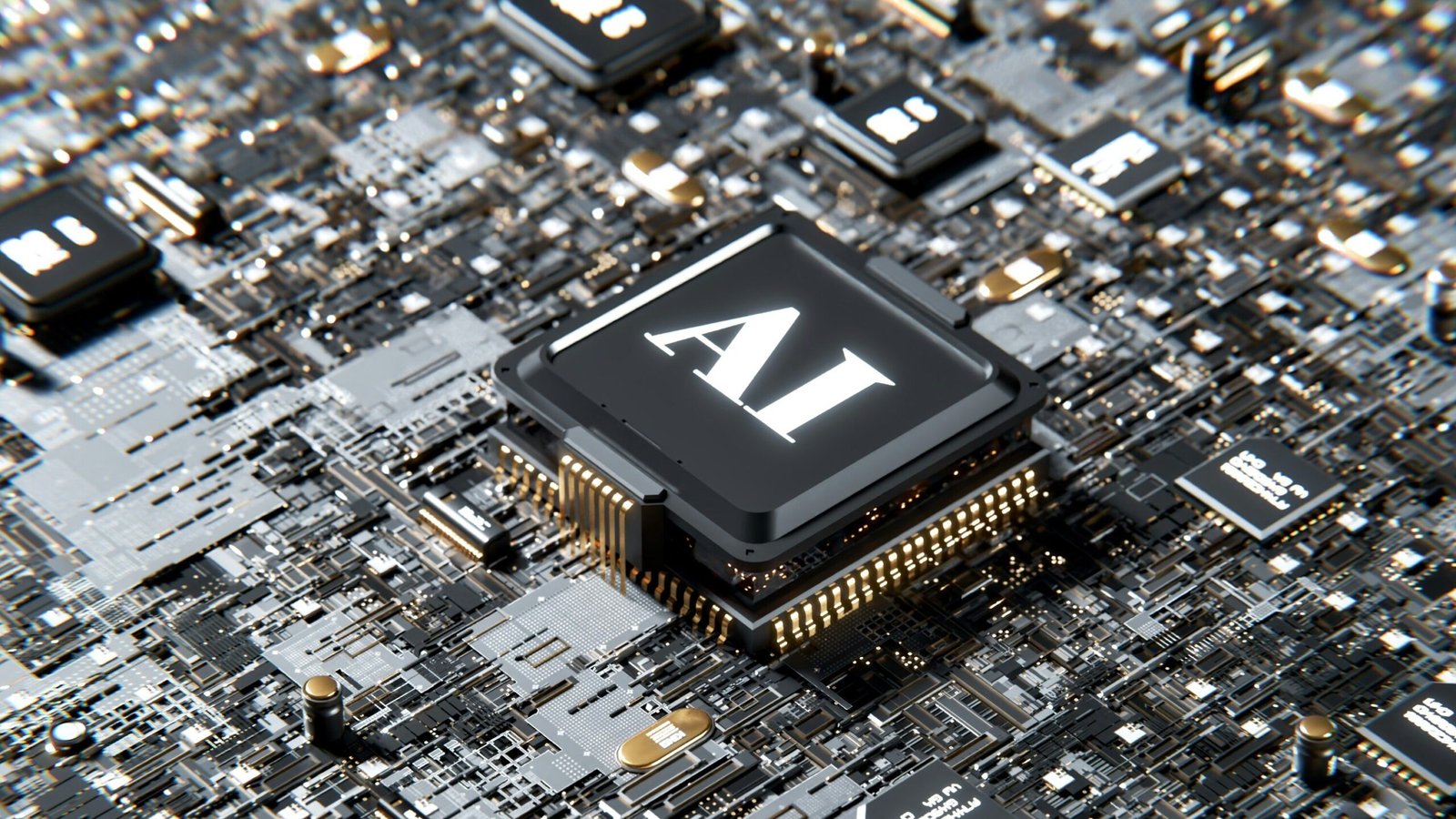
Artificial Intelligence (AI) focuses on developing computer systems and robots that can perform tasks requiring human-like intelligence such as reasoning, learning, and problem-solving. AI systems can analyze data, detect patterns, and make decisions automatically, reducing the need for human intervention.
Machine Learning (ML), a subset of AI, enables computers to learn from data without explicit programming. Through algorithms that detect trends and insights, ML allows systems to continuously improve their performance and accuracy. From voice recognition and recommendation engines to self-driving cars, AI and ML are at the core of today’s most transformative technologies.
2. Augmented Reality (AR) and Virtual Reality (VR):
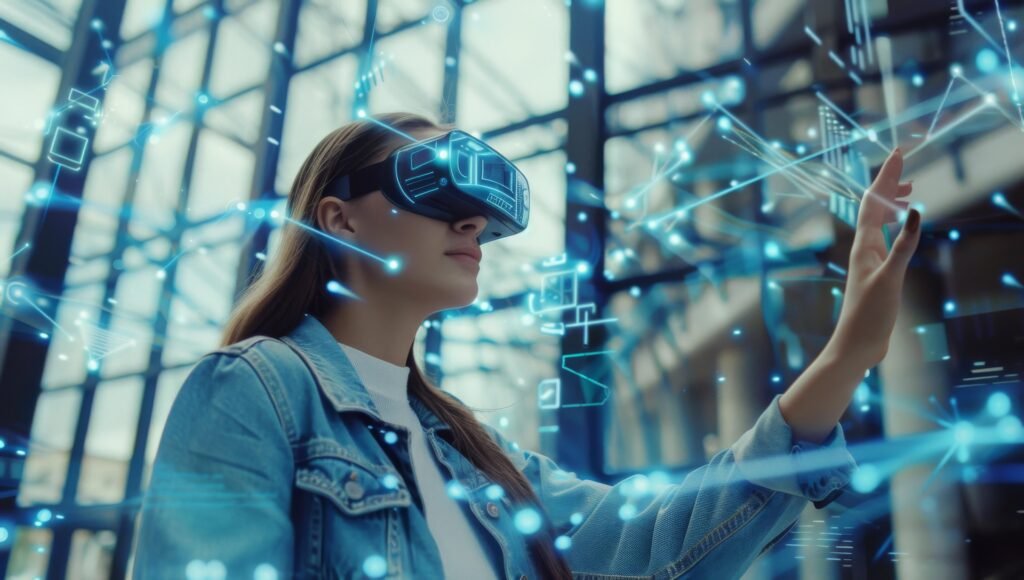
Augmented Reality (AR) blends digital information with the physical world, overlaying computer generated graphics or data onto real-world environments. It can be experienced through mobile devices, tablets, or wearable headsets. Today, AR is used in navigation, education, and even retail to enhance user experiences.
Virtual Reality (VR), on the other hand, immerses users in a completely digital 3D environment either a realistic simulation or an entirely imaginary world. With VR headsets, users can explore virtual spaces, participate in simulations, or play games that feel remarkably lifelike. Together, AR and VR are revolutionizing how we interact, learn, and entertain ourselves.
3. Internet of Things (IoT):
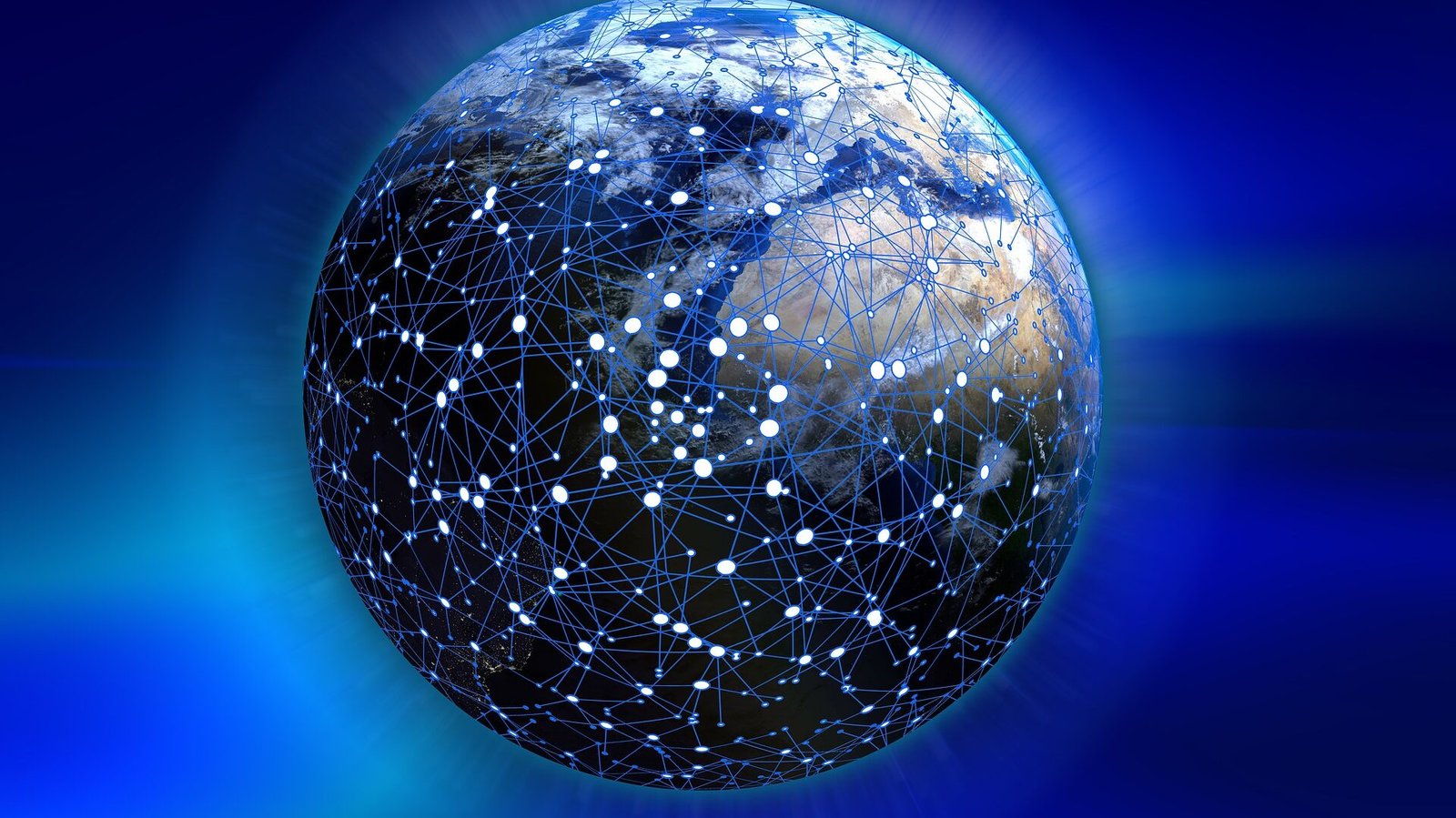
The Internet of Things (IoT) refers to the interconnection of physical devices such as appliances, vehicles, and sensors through the internet, allowing them to collect and share data. Unlike the traditional internet, which connects computers and servers, IoT connects things that interact intelligently with their surroundings.
IoT has countless applications. Smart home devices manage lighting and temperature automatically, wearable health monitors track fitness levels, and sensors in agriculture monitor soil conditions for better crop yields. From improving safety to boosting productivity, IoT bridges the gap between the digital and physical worlds.
4. Quantum Computing:
Quantum computing represents one of the most groundbreaking advancements in modern technology. Unlike classical computers that process data in binary (0s and 1s), quantum computers use qubits, which can represent multiple states at once. This allows them to perform complex calculations at speeds impossible for traditional systems.
One significant implication of quantum computing is its impact on encryption and cybersecurity. For instance, current encryption methods rely on the immense difficulty of trying every possible key combination a process that would take classical computers years. Quantum computers, however, could test millions of combinations simultaneously, dramatically reducing the time needed to crack codes. While this poses new security challenges, it also opens the door to solving scientific, financial, and medical problems that are currently beyond our computational reach.
Conclusion:
Emerging technologies are redefining how we live, work, and communicate. From Artificial Intelligence and the Internet of Things to Quantum Computing and Virtual Reality, these innovations are driving humanity toward a more intelligent, efficient, and connected future. However, as we embrace these advancements, we must also address challenges such as data privacy, ethical concerns, and workforce disruption.
By promoting responsible innovation, continuous learning, and ethical development, we can ensure that emerging technologies uplift society creating a future that is smarter, safer, and more inclusive for all.






2 Comments
Ayan aslam
June 3, 2026Plz matric tech subjects class 10
Health science tech
Biology tech
Physics tech
Chemistry tech
Sultan Tutor
June 6, 2026Download all your Tech Books from the Official Link https://pectaa.edu.pk/curriculum-compliance/